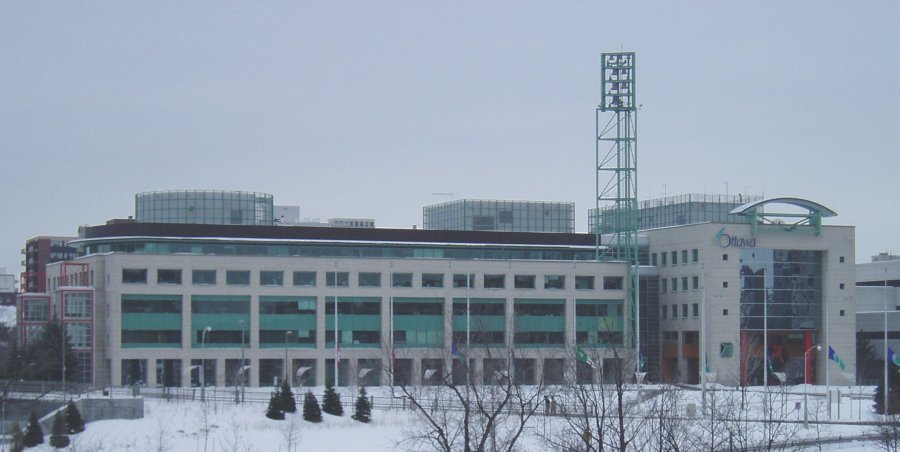
Public consultations are a formal mechanism through which governments invite residents to provide input on proposed decisions before those decisions are finalized. At the municipal level in Canada, they range from statutory public hearings required by provincial planning legislation to discretionary open houses organized by city staff for neighbourhood planning initiatives.
The distinction between a statutory and a discretionary consultation matters considerably. A statutory hearing has defined legal requirements: it must be advertised within specified timeframes, held at a particular stage of the approval process, and its record must be preserved as part of the official file. A discretionary one offers more flexibility but also fewer guarantees that input will carry formal weight.
When Public Consultations Are Required
Provincial planning legislation is the primary driver of mandatory consultation at the municipal level. In Ontario, the Planning Act requires public meetings for:
- Official plan amendments
- Zoning bylaw amendments
- Draft plan of subdivision approvals
- Site plan approvals, in some cases
British Columbia’s Local Government Act similarly requires public hearings for official community plan amendments and rezoning applications. Alberta’s Municipal Government Act mandates them for statutory plan amendments and land use bylaw changes.
Beyond land use, environmental assessments under federal or provincial legislation may also trigger consultation requirements when municipal infrastructure projects are involved.
A key procedural point: a public hearing on a rezoning application must close before council votes. Councillors are generally not permitted to receive new substantive information about the application after the hearing record is closed.
How Notice Is Given
The notice requirements for a statutory public hearing are set out in provincial legislation or in the municipality’s own procedure documents. Typically, notice must be:
- Mailed to property owners within a defined radius of the subject site (commonly 60 to 120 metres)
- Published in a local newspaper of general circulation
- Posted on the municipal website
- In some cases, affixed as a sign on the subject property itself
Notice periods generally range from 10 to 20 days before the hearing date. For residents who want to track upcoming consultations, the municipality’s planning department website and the municipal clerk’s calendar are the most reliable sources.
What Happens at a Public Hearing
At a statutory public hearing, council or a designated committee sits as a panel. The meeting follows a defined sequence:
- The chair opens the hearing and states its purpose
- Staff present a summary of the application and any technical reports
- The applicant has an opportunity to speak
- Registered delegates speak in sequence, typically with a time limit of three to five minutes
- Written submissions received before the deadline are entered into the record
- The applicant may respond to submissions
- The chair declares the hearing closed
Once closed, the public hearing record is fixed. Council typically deliberates and votes at a subsequent regular meeting, though in some cases the vote follows directly after.
How to Register as a Delegate
Registration requirements vary by municipality. Most require delegates to submit their name and the agenda item they wish to speak to before a deadline — often the business day before the meeting, though some allow registration up to the start of the hearing. Many municipalities now accept online registration through their meeting portal.
Written submissions can generally be filed with the clerk’s office up to a specified deadline. These become part of the official record whether or not the author attends in person.
Non-Statutory Consultations
Beyond mandatory hearings, municipalities frequently hold open houses, online surveys, and stakeholder workshops as part of broader planning initiatives. These are often called “engagement” processes rather than hearings, and they operate under different rules.
Input gathered through these processes typically goes to staff as a summary report. Staff then incorporate it into recommendations to council. Unlike a statutory hearing record, this input does not carry the same formal procedural status — council is not required to address each submission individually in its deliberations.
That said, these processes can be influential. A well-documented pattern of community concern raised through open houses often shapes the conditions attached to approvals or prompts staff to modify recommendations before they reach council.
Tracking What Happened
After a public hearing, the disposition of the matter — approved, refused, deferred — appears in the council minutes. For planning applications, the decision and any conditions of approval are also documented in a formal decision letter filed with the provincial registry in some provinces.
Residents who submitted written comments can request a copy of the hearing record from the clerk’s office. This includes all written submissions, the staff report, and the minutes of the session. In Ontario, applicants and certain interested parties have the right to appeal a council decision on planning matters to the Ontario Land Tribunal within a defined appeal window.
Last updated: May 8, 2026