
Council Process
How Municipal Councils Make Decisions
From agenda-setting to recorded votes, the procedural steps that govern how elected councillors debate and approve local measures.
Clearfield Post follows council chambers, public hearings, and bylaw processes across Canada’s municipalities — so residents have a reliable reference for what their local governments are doing.

Three detailed looks at how Canadian municipal institutions operate, make decisions, and engage with residents.
From agenda-setting to recorded votes, the procedural steps that govern how elected councillors debate and approve local measures.
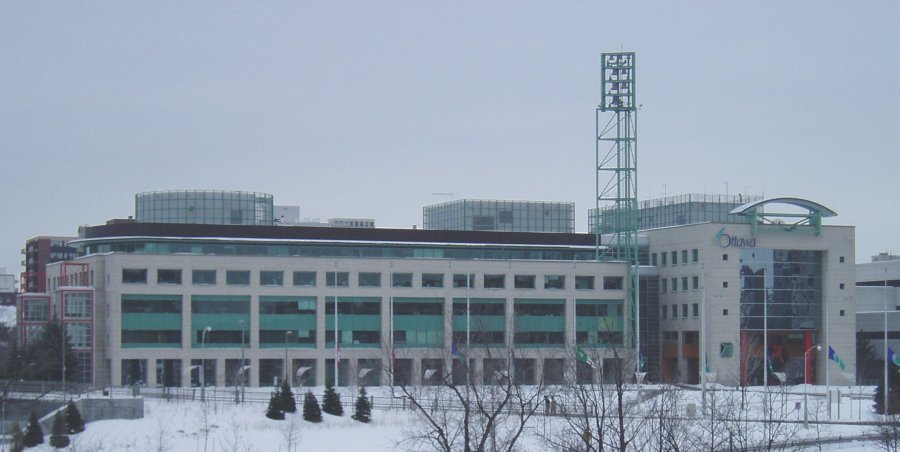
What public consultations actually are, when they are legally required, and how residents can participate in shaping planning decisions.

Where to find official vote records, how bylaws are numbered and published, and which municipal databases are publicly accessible.
Most Canadian municipalities are required by provincial law to post meeting agendas 24–72 hours before a council session. These documents list every item to be discussed, including staff reports and proposed bylaws.
Before votes are taken, residents can register to speak as delegates. The allotted time ranges from three to ten minutes depending on the municipality. Delegations are recorded in the meeting minutes.
When a recorded vote is requested, each councillor’s position is noted in the minutes. These records are public and typically available through the municipality’s document portal within days of the meeting.
A new bylaw typically requires three readings before adoption. First and second readings can happen at the same meeting; third reading usually follows a public hearing period, particularly for zoning amendments.
Once passed, bylaws are assigned a number and added to the municipality’s consolidated bylaw registry. Property-related bylaws are also filed with the provincial land registry where applicable.
Approved meeting minutes are the formal record of council decisions. They list motions, who moved and seconded them, vote outcomes, and any recorded dissent. They are typically approved at the next regular meeting.
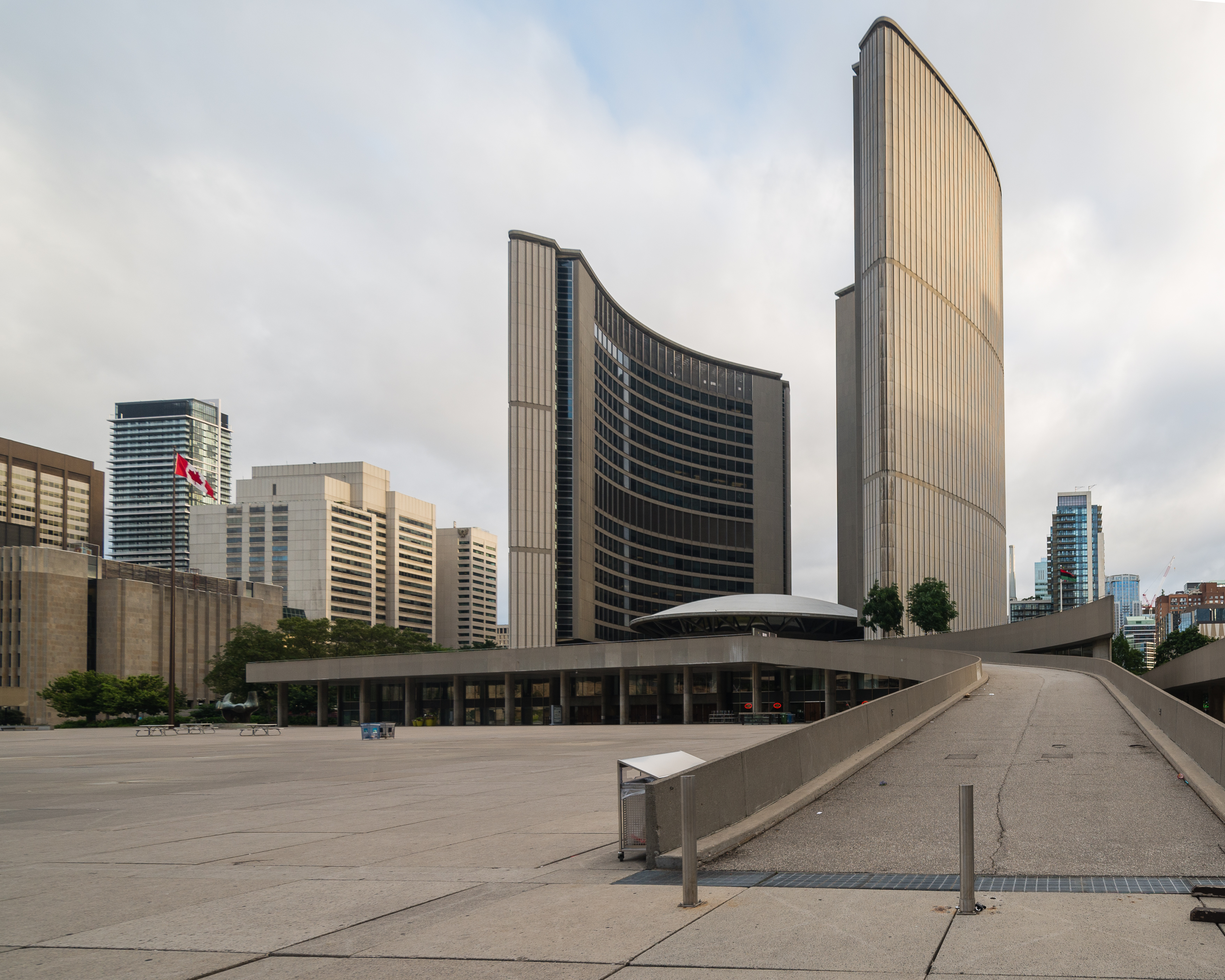
Beyond attending council meetings, Canadian residents have several structured ways to influence local decisions before they are finalized.
For corrections, tips about upcoming council decisions, or questions about coverage areas, use the form or contact details below.